
Solar Embedded Generator Registration Updates
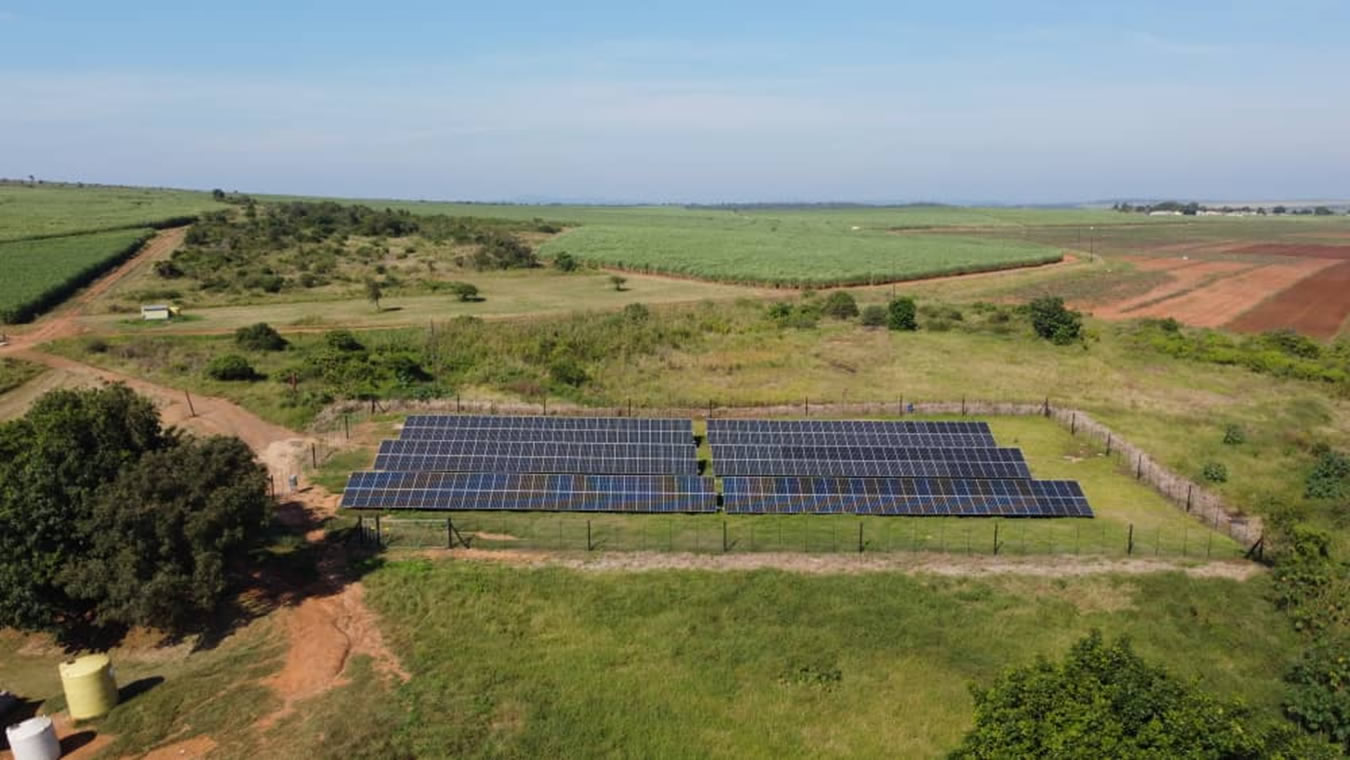
Two important updates make the embedded generation journey simpler and more rewarding. First, registration is now fully online, so you can apply, upload documents and track your progress in one place. Second, once your system has received final approval and the required metering and agreement arrangements are complete, eligible excess electricity can be fed back into the EEC grid for credits under the approved feed-in arrangement.
Why do I need to register?
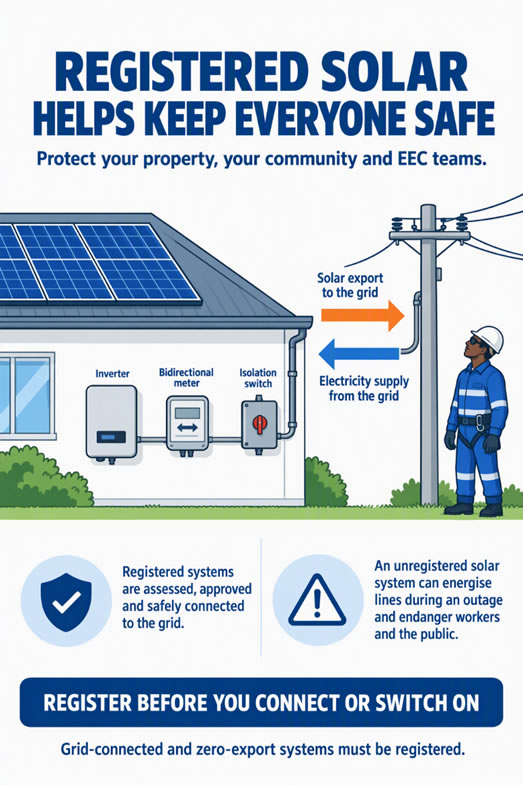
A solar PV system connected to the EEC network operates alongside the electricity grid. Registration allows the EEC to confirm that the system has been correctly designed, installed and tested, and that the network can safely accommodate it.
Registration helps to:
- protect your property, neighbours and crews working on the electricity network;
- protect appliances, meters and network equipment from unsafe connections;
- maintain voltage and power quality in your area;
- keep your installation visible and compliant; and
- enable eligible customers to export excess electricity and receive credits under the approved feed-in arrangement.
Important: Do not install, connect or operate a grid-connected PV system before EEC has issued the required approval. A zero-export setting does not remove the need to register because the system remains connected to the EEC network.
Who should register?
Every EEC customer with a solar PV or other embedded generation system connected to the EEC network should register. This includes all size systems in :
- homes, businesses and institutions;
- new systems and systems installed in previous years;
- systems that export excess electricity; and
- systems configured for self-use or zero export.
A system that is off-grid, with no electrical connection to the EEC network, such as solar geyser, solar lights does not need to register. Customers who are unsure should contact EEC before installation.
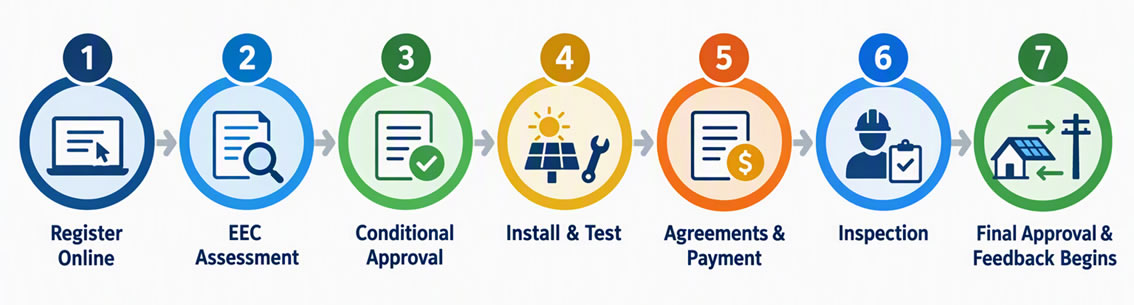
The journey from registration to feeding excess back
What has changed?
| Before | Now |
| Download application forms | Apply online in one place |
| Email documents and wait for updates | Upload documents and track progress online |
| Limited visibility of application status | A clearer, trackable journey from application to approval |
Feed-in update
After final approval, an eligible customer may feed excess electricity into the EEC network and receive credits in line with the current approved feed-in tariff, metering rules and connection agreement . Customers should review the latest tariff and charges before applying so they understand the rates, costs and conditions.
Customer benefits may include:
- credits for eligible excess electricity exported to the grid;
- lower electricity purchases from the grid when the PV system supplies on-site needs; and
- support for a more diverse and energy-secure electricity supply in Eswatini.
Ready to begin?
Quick answers
Is the application fully online?
Yes. The new process allows customers to apply, upload documents and follow the application online.
Do I need to register a zero-export system?
Yes. If the system is electrically connected to the EEC network, it must be registered even when configured not to export.
What if my system was installed some time ago?
You should still register it. An accredited installer can help confirm the system details and prepare the required compliance documents.
Can I feed electricity into the grid immediately after applying?
No. Export may begin only after EEC has issued final approval and the required metering, agreement and tariff arrangements are complete.
Where can I get help?
Email apply-eg@eec.co.sz.